
Understanding the Challenges of Outdated HVAC Systems
Your older home has character and charm that newer constructions often lack, but its aging heating and cooling systems may be costing you comfort and money. HVAC technology has advanced dramatically over the past two decades, with modern systems achieving efficiency ratings that were unimaginable when your current equipment was installed. If your furnace or air conditioning unit is more than 15 years old, you’re likely operating at efficiency levels between 56% and 70%, while today’s high-efficiency models routinely achieve 95% to 98% efficiency ratings. This efficiency gap translates directly into higher monthly utility bills and inconsistent temperature control throughout your living spaces.
The mechanical components in older systems also suffer from wear and deterioration that goes beyond simple aging. Heat exchangers develop stress cracks, blower motors lose their precision, and refrigerant coils accumulate years of microscopic debris that standard maintenance cannot fully address. These issues compound over time, creating a cascade of inefficiencies that affect not just energy consumption but also indoor air quality and overall system reliability. With more than 40 years of experience, we at Ocean State Mechanical understand how these aging systems behave and can identify which components are salvageable and which require complete replacement.
Essential Upgrade Components for Maximum Efficiency
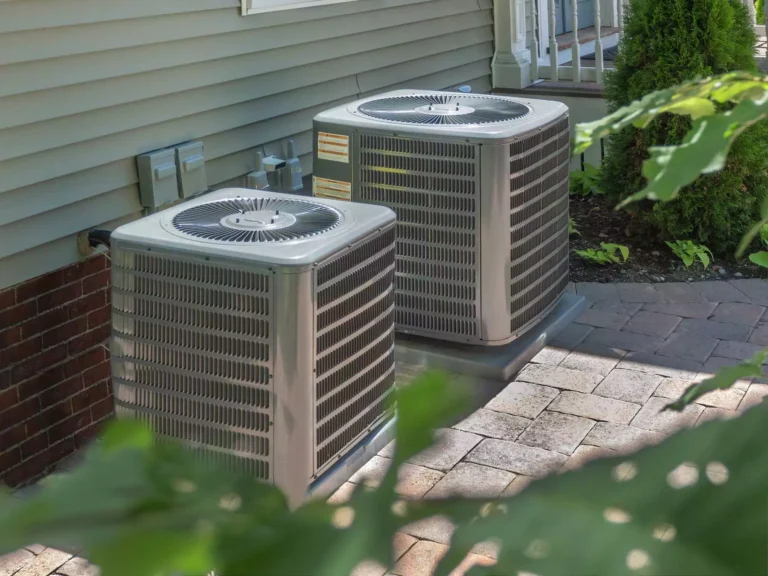
The cornerstone of any HVAC modernization project involves replacing the primary heating and cooling units with properly sized, high-efficiency models. Modern furnaces incorporate variable-speed blowers and modulating gas valves that adjust output based on real-time heating demands, eliminating the energy-wasting on-off cycling common in older single-stage units. For cooling, today’s air conditioning systems use advanced scroll compressors and environmentally friendly R-410A refrigerant, delivering superior performance while reducing environmental impact. The SEER ratings on modern AC units start at 14 and can exceed 20, compared to the 8-10 SEER ratings typical of systems installed before 2006.
Beyond the primary equipment, successful modernization requires attention to the entire air distribution network. Ductwork in older homes often features inadequate insulation, poor sealing at joints, and sizing mismatches that rob even new equipment of its efficiency potential. Professional duct sealing and insulation can recover up to 30% of lost heating and cooling capacity, while strategic duct modifications ensure balanced airflow to previously underserved rooms. We also recommend installing zoning systems that divide your home into independently controlled areas, allowing you to heat or cool only occupied spaces while maintaining minimal conditioning in unused areas.
Smart Controls and Integration Technologies
The integration of smart thermostats and control systems represents one of the most cost-effective upgrades available for older homes. These devices learn your daily patterns and automatically adjust temperature settings to maximize comfort when you’re home while conserving energy during absences. Advanced models incorporate humidity sensors, outdoor temperature compensation, and even local weather forecasting to anticipate heating and cooling needs before conditions change. The energy savings from smart thermostat installation alone typically range from 10% to 23% annually, with many homeowners recovering their investment within two years.
Modern HVAC systems also benefit from integration with whole-home air quality management solutions. Electronic air cleaners, UV germicidal lights, and energy recovery ventilators work in concert with your heating and cooling equipment to maintain optimal indoor air quality while minimizing energy waste. These additions become particularly valuable in older homes where decades of settling and aging materials may have compromised the building envelope’s ability to naturally regulate moisture and air exchange.
Planning Your Modernization Strategy
Successful HVAC modernization requires careful assessment of your home’s specific needs and constraints. We begin every project with a comprehensive evaluation that includes:
- Load calculations: Determining the exact heating and cooling capacity your home requires based on square footage, insulation levels, window efficiency, and local climate data
- Ductwork analysis: Identifying leaks, blockages, and design deficiencies that limit system performance
- Energy audit: Measuring current consumption patterns and identifying the most impactful upgrade opportunities
- Code compliance review: Ensuring all proposed modifications meet current building codes and safety standards
This methodical approach ensures that your investment delivers maximum returns in both comfort and efficiency. Our free estimates include detailed breakdowns of recommended improvements, allowing you to make informed decisions about prioritizing upgrades based on your budget and immediate needs. For those requiring immediate assistance with existing systems, our 24/7 emergency service ensures you’re never left without heating or cooling while planning your modernization project.
The modernization process typically yields energy savings of 20% to 40%, with some homes achieving even greater reductions when combining equipment upgrades with envelope improvements and smart controls. These savings, combined with enhanced comfort and reliability, make HVAC modernization one of the most valuable investments you can make in your older home’s future. Ocean State Mechanical brings decades of expertise to every modernization project, ensuring your upgraded system delivers years of efficient, reliable performance.