
Understanding the Financial Power of Modern Heat Pump Technology
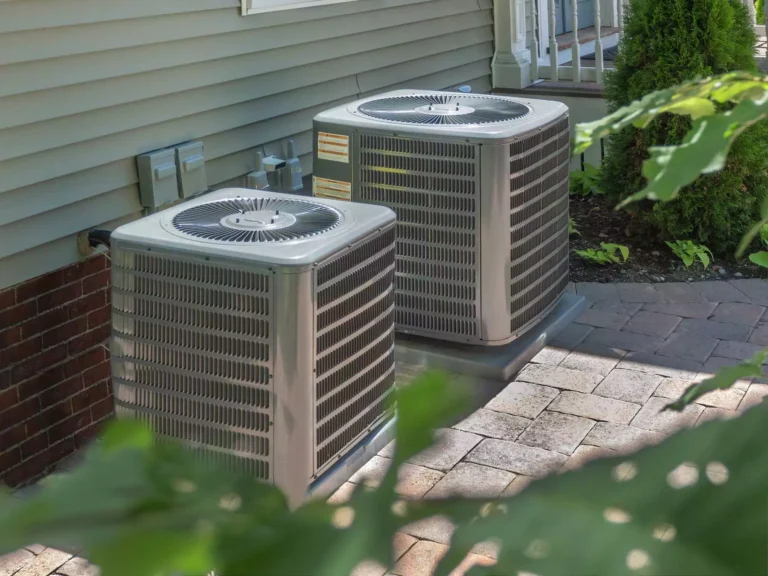
Energy-efficient heat pumps represent one of the most significant advances in home comfort technology over the past decade. These systems operate on a fundamentally different principle than traditional heating and cooling equipment. Instead of generating heat through combustion or electrical resistance, heat pumps transfer thermal energy between your home and the outdoor environment. During winter months, they extract heat from outdoor air—even when temperatures drop below freezing—and concentrate it inside your home. In summer, the process reverses, pulling heat from indoor spaces and releasing it outdoors. This heat transfer process requires significantly less energy than creating heat from scratch, which translates directly into lower monthly utility bills.
The efficiency of heat pumps is measured using two key metrics: Heating Seasonal Performance Factor (HSPF) for heating efficiency and Seasonal Energy Efficiency Ratio (SEER) for cooling efficiency. Modern high-efficiency heat pumps achieve HSPF ratings above 10 and SEER ratings exceeding 20, while older systems typically operate at half these efficiency levels. When we install these advanced systems for homeowners throughout Coventry, CT, and surrounding Rhode Island communities including East Greenwich and West Warwick, the energy savings become immediately apparent on their utility bills.
Calculating Your Return on Investment Through Energy Savings
The financial mathematics behind heat pump efficiency reveals compelling savings potential. A typical 2,000-square-foot home in our service area might consume 50 million BTUs annually for heating using an older oil furnace operating at 70% efficiency. Converting to a modern heat pump with a Coefficient of Performance (COP) of 3.5 could reduce energy consumption by up to 65%. At current utility rates, this translates to annual savings between $1,500 and $2,500, depending on your previous fuel source and local electricity rates. Ocean State Mechanical provides free estimates that include detailed energy savings calculations specific to your home’s size, insulation quality, and current equipment efficiency.
Variable-speed compressor technology further enhances these savings by allowing heat pumps to modulate their output based on actual heating or cooling demands. Rather than cycling on and off at full capacity like traditional single-stage systems, variable-speed units can operate at lower capacities for extended periods. This continuous operation at reduced speed consumes less energy while maintaining more consistent indoor temperatures and humidity levels. The elimination of frequent start-up cycles, which consume the most energy, can reduce electricity usage by an additional 20-30% compared to single-stage heat pumps.
Maximizing Home Value Through HVAC Upgrades
Real estate market data consistently demonstrates that homes equipped with energy-efficient HVAC systems command premium selling prices. According to national real estate studies, homes with high-efficiency heating and cooling systems sell for approximately 5-7% more than comparable properties with standard equipment. In our Rhode Island and Connecticut markets, where energy costs remain above national averages, buyers particularly value the long-term savings that efficient systems provide. Appraisers now routinely factor HVAC efficiency ratings into property valuations, recognizing these systems as significant home improvements comparable to kitchen renovations or bathroom upgrades.
The durability and reliability of modern heat pumps also contribute to increased property values. With more than 40 years of experience installing and servicing HVAC equipment, we’ve observed that properly maintained heat pump systems typically operate efficiently for 15-20 years, compared to 10-15 years for traditional furnaces and air conditioners. This extended lifespan means fewer replacement cycles and reduced long-term ownership costs, factors that savvy homebuyers increasingly consider during property evaluations.
Available Incentives and Rebates for Energy-Efficient Installations
Federal, state, and utility programs currently offer substantial financial incentives for installing energy-efficient heat pumps and HVAC systems. These programs recognize the broader environmental and grid stability benefits of reducing residential energy consumption. Current incentives include:
- Federal tax credits covering up to 30% of equipment and installation costs for qualifying high-efficiency systems
- State rebate programs offering direct cash rebates ranging from $500 to $2,000 based on system efficiency ratings
- Utility company incentives providing additional rebates or discounted electricity rates for homes with efficient heat pumps
Our team stays current with all available incentive programs in Crompton, Davisville, Nooseneck, and throughout our service territory. We assist customers with rebate applications and ensure installed systems meet all efficiency requirements for maximum incentive eligibility. Many homeowners discover that combining federal, state, and utility incentives can offset 40-50% of their initial investment, dramatically accelerating the payback period for their new energy-efficient HVAC system. With our 24/7 emergency service ensuring your investment remains protected, upgrading to an energy-efficient heat pump becomes an even more attractive financial decision.