
Essential HVAC Safety Considerations for Multi-Generational Homes: Protecting Children, Adults, and Seniors
Multi-generational living has grown significantly across the United States, with nearly 60 million Americans now sharing homes that include grandparents, parents, and children under one roof. This living arrangement brings unique challenges when it comes to heating and cooling systems, because each age group has different vulnerabilities and comfort requirements. At Ocean State Mechanical, we understand that your HVAC system must do more than regulate temperature. It must safeguard the health and well-being of every family member, from infants to elderly loved ones. With more than 40 years of experience serving communities including Coventry, CT, West Warwick, RI, East Greenwich, RI, and surrounding areas, we have seen firsthand how proper HVAC design, maintenance, and repair directly impact household safety.
Understanding Temperature Sensitivity Across Age Groups
Children and seniors are particularly susceptible to temperature extremes. Infants cannot regulate their body temperature effectively, making overheated or under-heated rooms potentially dangerous. The recommended sleeping temperature for babies falls between 68 and 72 degrees Fahrenheit, while seniors often require slightly warmer environments due to decreased circulation and thinner skin. Adults generally tolerate a wider range, but prolonged exposure to poorly regulated temperatures can affect productivity, sleep quality, and overall health.
Zoned heating and cooling systems offer one of the best solutions for multi-generational households. By dividing the home into independently controlled zones, each family member can maintain their ideal comfort level without compromising anyone else’s safety. Our air conditioning service and furnace service teams regularly install and configure zoned systems throughout Crompton, RI, Davisville, RI, and Nooseneck, RI, ensuring that every room delivers precise temperature control tailored to its occupants.
Indoor Air Quality: A Critical Safety Factor
Poor indoor air quality poses serious risks to vulnerable household members. Children with developing respiratory systems are more prone to asthma triggered by airborne pollutants, while seniors with compromised immune systems face increased infection risks from mold spores, dust mites, and bacteria circulating through ductwork. The Environmental Protection Agency estimates that indoor air can be two to five times more polluted than outdoor air, making HVAC filtration and ventilation essential safety components.
We recommend multi-generational homes invest in high-efficiency filtration systems rated MERV 13 or higher, which capture particles as small as 0.3 microns. Whole-home humidifiers and dehumidifiers also play critical roles, since excessively dry air aggravates respiratory conditions in seniors while overly humid environments promote mold growth that endangers children. Regular AC repair and maintenance visits ensure these systems function optimally year-round. We offer free estimates on air quality assessments and system upgrades so families can make informed decisions without financial pressure.
Carbon Monoxide and Combustion Safety
Gas furnaces, boilers, and water heaters produce combustion byproducts that can become lethal if systems malfunction or ventilation fails. Carbon monoxide poisoning sends more than 50,000 Americans to emergency rooms annually, and children and seniors face the highest mortality rates. Multi-generational homes often have higher heating demands, which means furnaces run longer and harder during cold Rhode Island and Connecticut winters.
Essential safety measures for combustion appliances include:
- Annual professional furnace inspections to check heat exchangers for cracks that allow carbon monoxide to leak into living spaces
- Carbon monoxide detector installation on every level of the home and near all sleeping areas, with battery checks performed seasonally
- Proper venting verification to ensure exhaust gases exit the home completely without backdrafting into occupied rooms
Our HVAC repair technicians are trained to identify combustion hazards during routine service calls. Because emergencies involving gas leaks or carbon monoxide do not follow a schedule, we provide 24/7 emergency service to protect your family at any hour.
Physical Safety Around HVAC Equipment
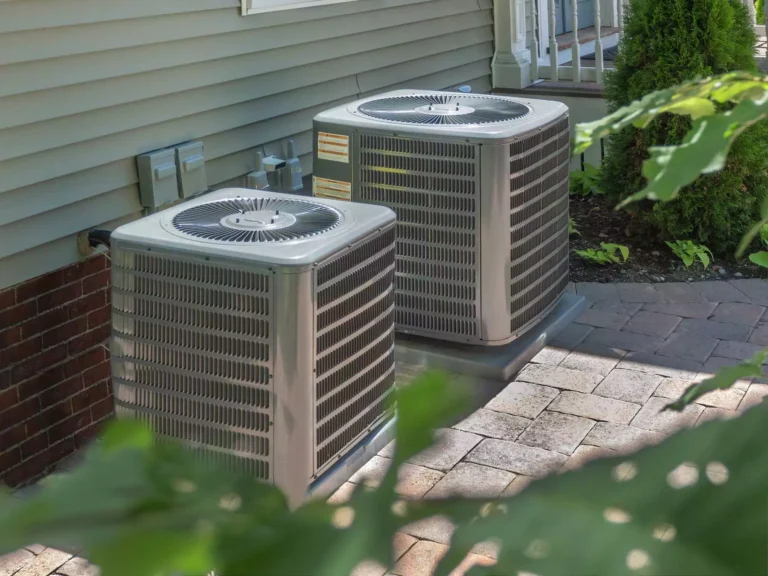
Curious toddlers and mobility-challenged seniors face physical risks from exposed HVAC equipment. Outdoor condensing units, furnace rooms, and exposed ductwork can cause burns, electrical shock, or tripping hazards. Families should consider these protective strategies:
- Install protective barriers around outdoor AC units and indoor mechanical rooms to prevent children from accessing moving parts or electrical connections
- Secure floor vents and registers with tamper-resistant covers that prevent small fingers from reaching inside while maintaining proper airflow
- Ensure clear pathways around all HVAC equipment so seniors using walkers or wheelchairs can navigate safely without obstruction
Proactive Maintenance Protects Every Generation
The single most effective safety measure for multi-generational homes is consistent preventive maintenance. Systems that receive regular professional attention operate more efficiently, produce fewer pollutants, and fail less frequently. Our locally owned business offers high-quality installations and work at affordable prices, making it easier for families to prioritize safety without straining budgets. Whether you need furnace service before winter arrives or AC repair during a summer heat wave, count on Ocean State Mechanical for reliable protection that spans every generation living under your roof.